Are you weighing the ease of a brand-new build against the charm and value of an established home in Sandy Springs? You are not alone. With lively mixed-use living around City Springs and river-adjacent neighborhoods along the Riverside corridor, the choice comes down to your budget, timeline, and risk tolerance. In this guide, you will learn how prices, warranties, inspections, HOAs, energy costs, and site risks compare in Sandy Springs so you can make a confident decision. Let’s dive in.
New vs. resale basics in Sandy Springs
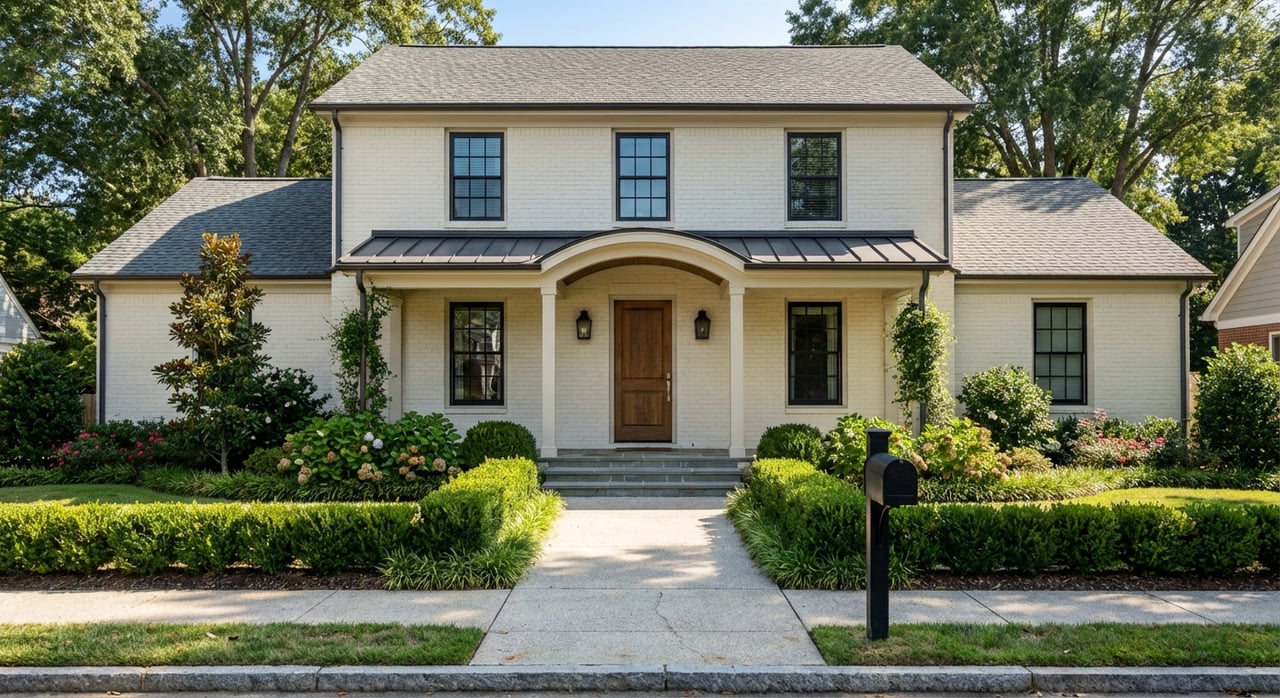
Sandy Springs offers a wide range of options, from luxury townhomes near City Springs to single-family homes along the Chattahoochee. New construction often clusters in infill settings, smaller-lot communities, or townhome and condo projects. Resale options include updated homes and older properties with renovation potential.
Your decision usually balances three things: total cost of ownership, how soon you need to move, and how much project oversight you want. New builds promise modern systems and a warranty. Resales can offer established neighborhoods, larger lots, and faster closings.
Price and value tradeoffs
New construction typically carries a higher price per square foot because you get modern finishes, new systems, and warranty coverage. Builders sometimes offset the premium with incentives like closing-cost credits, upgrade packages, or rate buydowns. Incentives depend on market conditions and inventory.
Resale homes may list lower, yet you should budget for immediate needs such as system replacements or updates. When you compare options, focus on the out-the-door cost rather than list price alone.
Use this quick comparison framework:
- New construction costs: base price, lot premium, design upgrades, blinds and landscaping if not included, plus HOA setup fees and transfer costs.
- Resale costs: price, inspection-driven repairs, near-term system replacements, cosmetic updates, and any capital contributions to the HOA.
- Appraisals: newer homes with high-end upgrades can outpace neighborhood comps, which can trigger appraisal shortfalls. Well-updated resales can command premiums, but distressed comps can cap value. Build in a buffer for appraisal risk on both paths.
- Short-term value: a “newness” premium can soften if similar inventory hits the market. Established neighborhoods with steady comparable sales often show more predictable resale performance.
For specific price and trend data, review the latest local market reports and MLS comps filtered by year built, lot size, and proximity to City Springs or the river.
Timeline and financing
Resale timing
Resale purchases usually close in 30 to 45 days with financing, sometimes faster with cash. Your timeline depends on inspection periods, appraisal turn times, and loan underwriting. If you are selling and buying, consider bridge strategies or a rent-back to smooth your move.
New build timing
Inventory or spec homes can close in 30 to 60 days, similar to resales. Build-to-order homes usually take 6 to 12 months with production builders, while custom builds can take 12 to 24 months or more. Weather, permitting, materials, and subcontractor scheduling can add delays, so plan for contingencies in your contract.
Financing options
Resale homes use standard purchase mortgages. New builds may require construction-to-permanent financing with draw schedules, higher interim rates, and more documentation. For an overview of construction financing and rate-lock considerations, start with the Consumer Financial Protection Bureau. Veterans may explore VA construction options, and FHA 203(k) loans exist for renovations on resales rather than ground-up builds.
If your build timeline extends, discuss long-term rate locks and temporary buydowns. Builders sometimes contribute to closing costs or rate buydowns, which can reduce your monthly payment in the first years of ownership.
Warranties and inspections
What builder warranties cover
Most reputable builders provide tiered coverage, often summarized as 1 year for workmanship, 2 years for major systems, and 10 years for structural elements. Terms, exclusions, and claim procedures vary by builder and by any third-party warranty provider. Learn more about common builder practices through the National Association of Home Builders, then confirm exact coverage and transferability in your contract.
Keep records of all requests and responses. If a third-party underwriter backs the structural warranty, verify who actually administers claims.
Inspection strategies
Independent inspections are essential for both paths. For new construction, a pre-drywall inspection can catch framing, rough plumbing, electrical, and HVAC issues while everything is visible. Follow that with a final inspection before your builder walkthrough and a re-inspection once punch-list items are addressed. For resales, a full home inspection is standard, and specialty inspections may be wise based on the home’s age or features. To find qualified professionals and scope, review the American Society of Home Inspectors.
If you plan to renovate a resale home, verify past permits with county records and confirm that major work was permitted and inspected.
HOA and operating costs
Townhomes and condos near City Springs often have master associations with amenities, plus possible sub-associations. Newer communities sometimes start with lower dues that rise as amenities are completed. Ask for CC&Rs, bylaws, budgets, reserve studies, meeting minutes, special assessment history, rental policies, and insurance summaries. Compare capital contributions, transfer fees, and parking policies across options.
Operating costs can differ. New homes built to current energy codes and optional verification programs can lower monthly bills. Look for documentation such as ENERGY STAR certification or a HERS score. You can learn how efficiency ratings work through ENERGY STAR and the HERS Index.
Older homes can reach similar comfort and savings with targeted upgrades like air sealing, added insulation, high-efficiency HVAC, or smart thermostats. If big-ticket replacements are looming, fold those costs into your comparison.
Flood, trees, and site risks
Homes near the Chattahoochee and low-lying areas in the Riverside corridor may sit in FEMA-designated flood zones. Lenders may require flood insurance, which affects carrying costs and insurability. Always check the FEMA Flood Map Service Center and ask for elevation certificates where applicable.
Before you buy a river-adjacent property or a mature, tree-covered lot, review local ordinances on floodplains and tree protection. These rules can affect additions, pools, and site modifications. For taxes and recorded documents, consult the Fulton County Board of Assessors and the Fulton County Clerk of Superior Court, and coordinate with the city’s planning department for zoning and permitting guidance.
City Springs vs. Riverside
City Springs area:
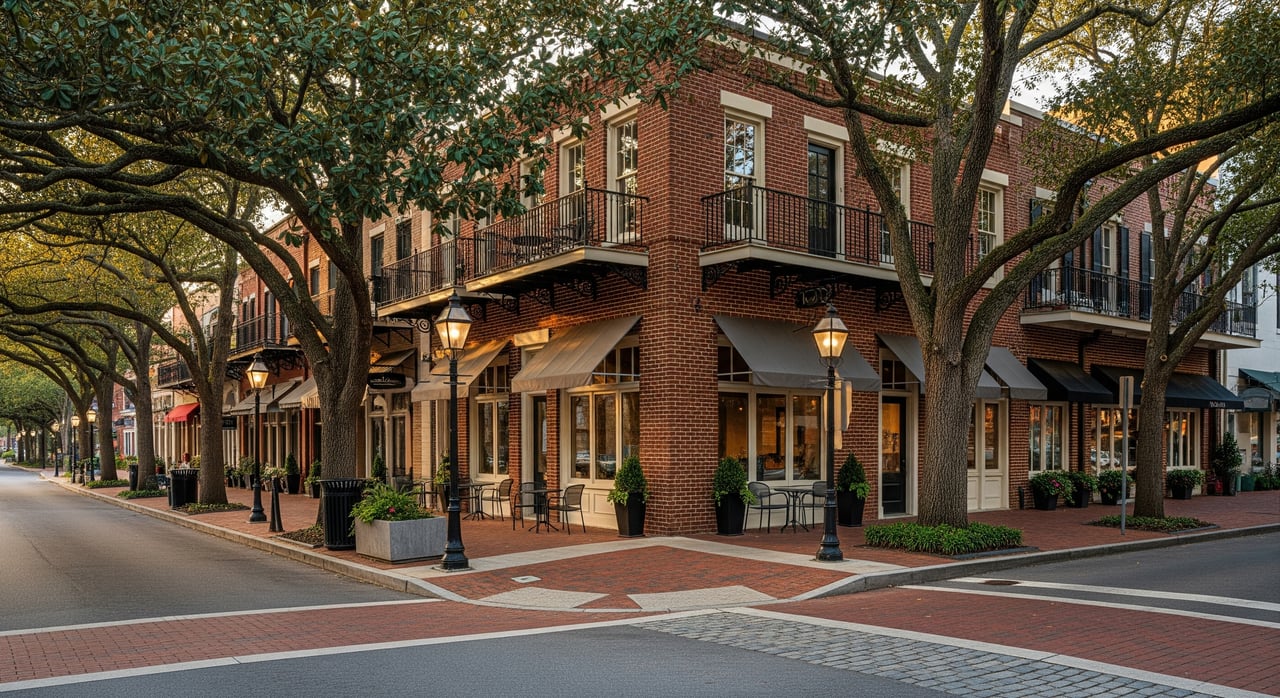
- What you get: walkable access to civic venues, dining, and retail, with a mix of condos, townhomes, and infill single-family homes.
- New vs. resale: new builds may emphasize luxury finishes and smaller lots, while resales offer established buildings and HOA histories. Compare HOA assessments, amenity upkeep, reserve funding, and parking policies.
- Value lens: weigh price per square foot against convenience and long-term resale prospects for buyers who prize proximity to amenities.
Riverside corridor:
- What you get: single-family lots, green space, and access to outdoor recreation along the river. Infill and teardowns are common.
- New vs. resale: many resales have renovation potential, while new builds can introduce modern systems and higher efficiency. Floodplain and environmental buffers are key due-diligence items.
- Value lens: focus on lot specifics, elevation, and insurability. Compare comps by year built, lot size, and river proximity.
Due diligence checklist
Use this list to compare any two finalists side by side:
- Pricing and comps: request recent neighborhood comps filtered by year built, lot size, and proximity to City Springs or the river.
- Incentives and credits: ask builders about upgrade packages, closing-cost help, and rate buydowns. For resales, evaluate seller concessions and inspection credits.
- Warranty details: obtain full warranty documents, claim procedures, coverage limits, and transferability. Confirm any third-party structural warranty.
- Inspections: schedule independent pre-drywall and final inspections for new builds, plus re-inspections after punch lists. For resales, add specialty inspections as appropriate.
- HOA health: review CC&Rs, bylaws, budgets, reserve studies, meeting minutes, assessment history, rental policies, and insurance coverage.
- Flood and site: check FEMA maps, elevation certificates, and local ordinances. Verify tree and buffer rules for outdoor projects.
- Records and permits: pull tax and property records with the Fulton County Board of Assessors, and review recorded documents with the Clerk of Superior Court. Confirm renovation permits where applicable.
- Energy performance: request HERS scores, ENERGY STAR documentation, and equipment specs. For resales, price out efficiency upgrades.
- Financing readiness: discuss construction-to-perm options, rate locks, and timelines with your lender. Align closing timing with the sale of your current home if needed.
- Community feedback: visit the site at different times of day and, where possible, speak with current residents about noise, parking, and HOA responsiveness.
Negotiation levers and pitfalls
New construction levers include builder-paid upgrades, closing-cost credits, and preferred-lender incentives. You can also choose a move-in-ready spec home for a faster close and more predictable costs. Watch for appraisal gaps on highly upgraded homes and confirm realistic delivery timelines in your contract.
Resale levers include price reductions, repair credits, and flexible closing dates. Use inspection results and aging systems to negotiate. Verify that past renovations were permitted and inspected to avoid surprises after closing.
Across both paths, protect yourself with clear contingency timelines, earnest-money provisions, and well-defined walkthrough and repair procedures. Keep documentation organized from day one.
Next steps with Stephen
Choosing between new construction and resale in Sandy Springs comes down to tradeoffs you can measure: total cost, timeline, risk, and lifestyle. If you want a clear side-by-side view with local comps, warranty reviews, HOA summaries, and a tailored plan for financing and timing, let’s connect. Stephen Clark will guide you through each step with concierge-level service and local expertise.
FAQs
Is new construction more expensive in Sandy Springs?
- New homes often cost more per square foot, but builder incentives and lower near-term maintenance can offset some of the premium compared to resales.
How long does a custom build usually take?
- Many custom builds take 12 to 24 months or more, while production build-to-order homes often range from 6 to 12 months depending on scope and delays.
What inspections do I need for a new build?
- Hire an independent inspector for a pre-drywall check and a final inspection, then re-inspect after punch-list fixes before your final acceptance.
Do I need flood insurance near the Chattahoochee River?
- If the property sits in a FEMA-designated flood zone, a lender may require flood insurance, so verify status with the FEMA Flood Map Service Center.
How do HOA fees differ in new versus established communities?
- Newer communities may have lower initial dues that rise as amenities come online, while established HOAs offer longer histories, reserves, and assessment patterns.
What financing works for new construction?
- Construction-to-permanent loans fund the build with draws and convert at completion; discuss rate-lock options and potential builder credits with your lender.